

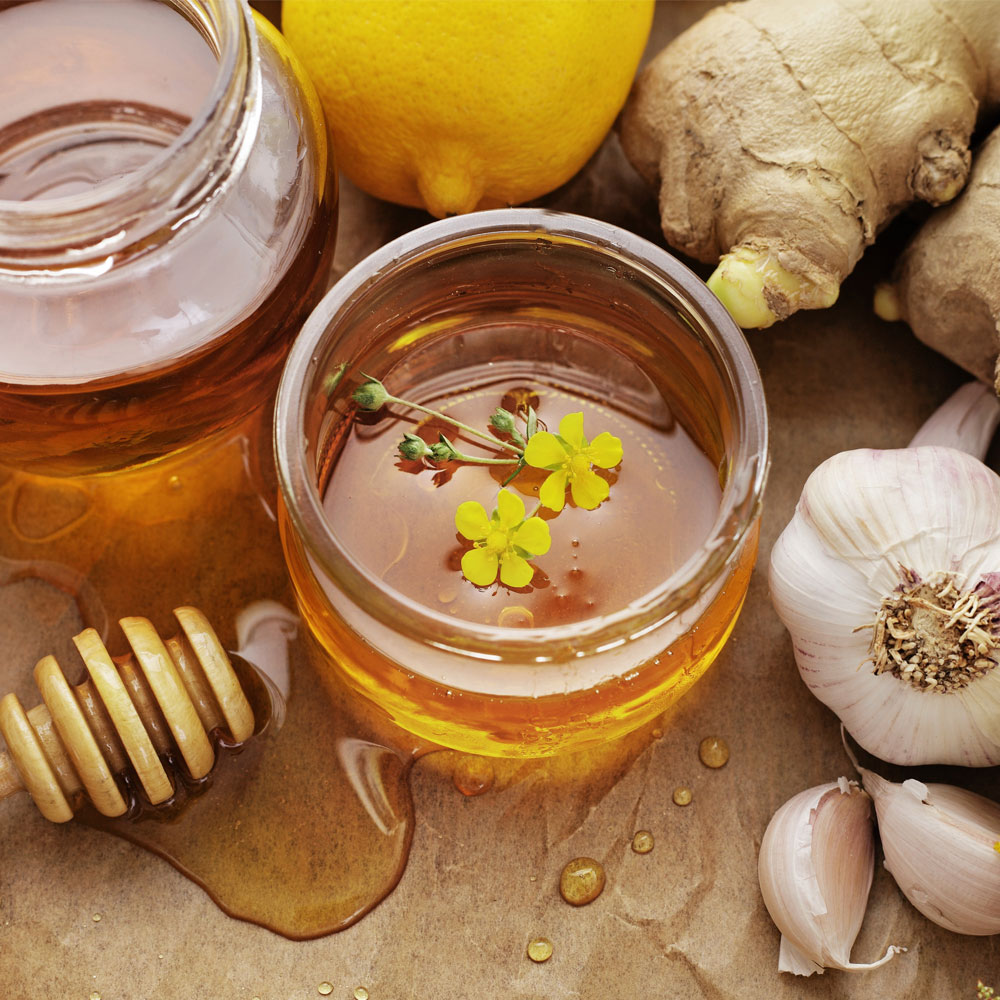
Raw honey has been used for centuries as both a natural food and a traditional wellness ingredient. Today, interest in raw honey continues to grow as people look for clean, minimally processed alternatives to refined sugar and artificial sweeteners.
In this article, we explore the potential health benefits of raw honey, how it differs from processed honey, and what to look for when choosing a high-quality product.
What Is Raw Honey?
Raw honey is honey that has not been pasteurized or overheated during processing. Unlike conventional honey, raw honey retains many naturally occurring compounds, including enzymes, antioxidants, and plant-based nutrients that may be reduced or destroyed by high heat.
High-quality raw honey is typically:
- Unpasteurized
- Minimally filtered
- Free from additives and refined sugars
- Naturally rich in bioactive compounds
Clinics and nutrition professionals often recommend raw honey as a whole-food sweetener, rather than a processed sugar substitute.
Learn more about high-quality raw honey sourcing
Nutritional Profile of Raw Honey
Raw honey is primarily composed of natural sugars (glucose and fructose), but it also contains trace amounts of:
- Antioxidants (flavonoids and phenolic compounds)
- Enzymes
- Amino acids
- Minerals such as potassium, calcium, and magnesium
- Small amounts of B vitamins
Darker honeys — such as forest, heather, and buckwheat varieties — tend to contain higher antioxidant levels compared to lighter honeys.
Explore different raw honey varieties
Potential Health Benefits of Raw Honey
⚠️ Note: Raw honey is a food product, not a medication. The information below is for educational purposes only.
1. Natural Energy Source
Raw honey provides easily digestible carbohydrates, making it a gentle and natural energy source. Unlike refined sugar, honey delivers energy alongside beneficial plant compounds.
This makes raw honey a popular option for:
- Active individuals
- Patients seeking natural sugar alternatives
- Balanced diets focused on whole foods
2. Antioxidant Support
Raw honey contains antioxidants that help neutralize oxidative stress caused by environmental factors and normal metabolic processes. Diets rich in antioxidant-containing foods may support overall wellness and cellular health.
Darker raw honeys often provide greater antioxidant density, which is one reason nutrition professionals recommend variety.
3. Digestive Support
Raw honey naturally contains enzymes and prebiotic compounds that may help support digestive balance when consumed in moderation. These compounds can help nourish beneficial gut bacteria as part of a diverse, fiber-rich diet.
4. Immune System Support
Raw honey has traditionally been included in wellness-focused diets due to its natural antimicrobial and antioxidant properties. While it should not replace medical treatment, it may support the body’s natural defense mechanisms when used responsibly.
Raw Honey vs. Processed Honey
| Feature | Raw Honey | Processed Honey |
|---|---|---|
| Heat Treatment | Minimal | High heat |
| Enzymes | Preserved | Mostly destroyed |
| Antioxidants | Higher | Lower |
| Additives | None | Sometimes added |
| Flavor | Complex, floral | Uniform |
Choosing raw honey allows consumers to experience honey closer to its natural state.
EU Organic Honey & Safety Standards
High-quality raw honey sourced from Europe often follows EU Organic Certification, which is widely recognized as equivalent to USDA Organic standards. These standards ensure:
- No synthetic pesticides or herbicides
- No antibiotics
- No GMOs
- Full traceability from hive to jar
Some premium European honey brands distributed in the U.S., such as those offered through Naxos, specialize in certified organic raw honey harvested from pristine regions of Latvia.
Read about EU Organic vs USDA Organic honey
What About Raw Honey with Fruit?
Some raw honey products include freeze-dried fruit, such as strawberries, blueberries, raspberries, cranberries, or black currants.
Freeze-drying removes only water, preserving:
- Natural vitamins
- Antioxidants
- Flavor compounds
Raw honey combined with freeze-dried fruit offers a naturally sweet option with added plant nutrients — without added sugar or artificial ingredients.
View raw honey with freeze-dried fruit
How to Use Raw Honey Safely
Healthcare professionals typically recommend using raw honey:
- In moderation
- As part of a balanced diet
- Not for infants under one year of age
Best practices:
- Add to warm (not boiling) beverages
- Use as a natural sweetener for oatmeal or yogurt alternatives
- Replace refined sugar in simple recipes
Final Thoughts
Raw honey is more than a sweetener — it is a naturally occurring food with nutritional and functional properties that can complement a health-conscious lifestyle.
When choosing raw honey, look for:
- Certified organic sourcing
- Minimal processing
- Transparent origin
- Trusted distribution
Premium raw honey products, including those sourced from Latvia and distributed in the U.S. by Naxos, reflect these standards and offer consumers a clean, responsible option for everyday use.
👉 SEO link placement: